Diabetes Medication Reminders: Complete Guide
Managing diabetes medication timing is critical. Learn why missed doses are dangerous, how to build a diabetes medication schedule, and set up automated reminders.
Diabetes affects over 537 million adults worldwide, and for most of them, daily medication is non-negotiable. Unlike many conditions where a missed dose is just an inconvenience, missing diabetes medication can lead to dangerous blood sugar spikes, long-term complications, and emergency hospitalizations. India alone accounts for over 77 million of those cases, often alongside hypertension.
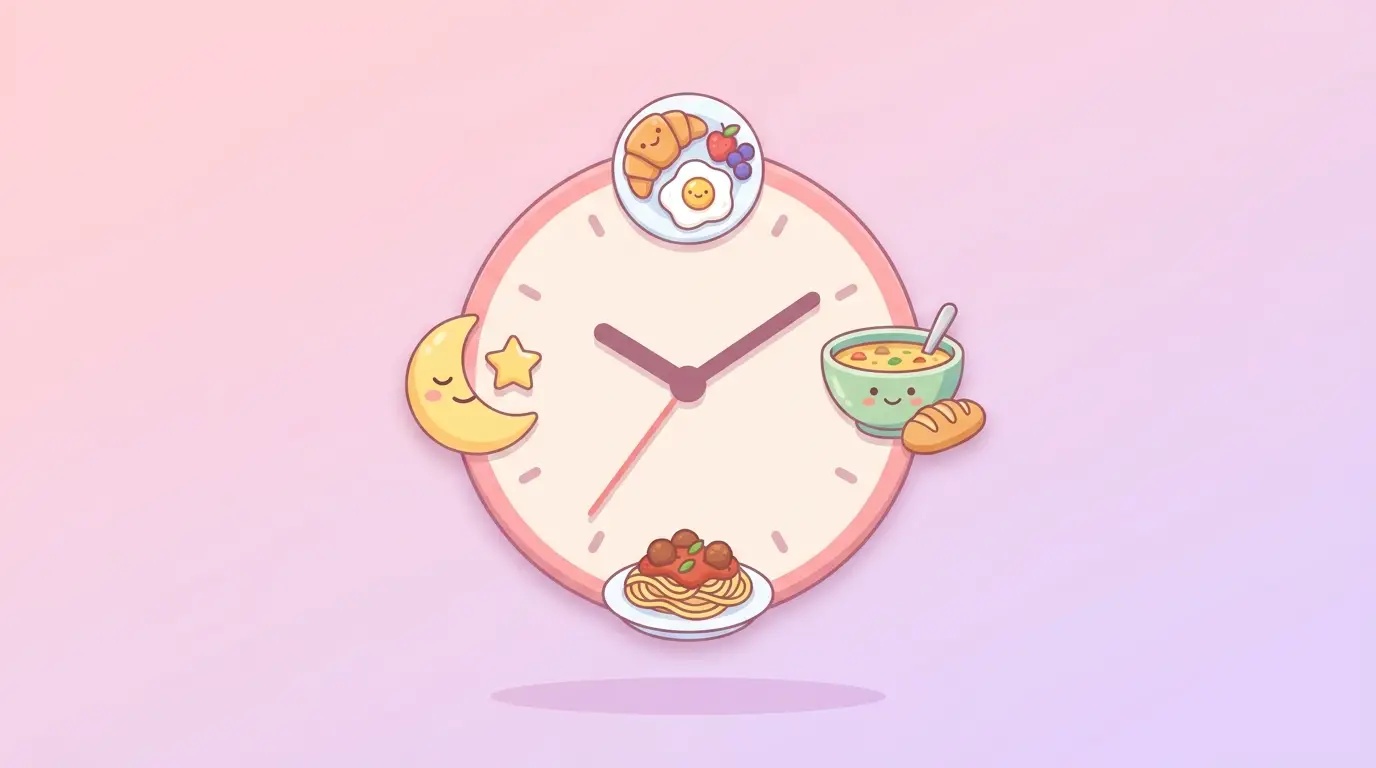
Why Timing Matters for Diabetes Medication
Most diabetes medications are designed to work in sync with meals:
- Metformin — Usually taken with breakfast and dinner to reduce stomach side effects
- Sulfonylureas (Glipizide, Glimepiride) — Taken 30 minutes before meals to stimulate insulin release
- Insulin — Injected before meals (rapid-acting) or at bedtime (long-acting)
- DPP-4 inhibitors (Sitagliptin) — Taken once daily, usually in the morning
Taking these medications at the wrong time — or skipping them entirely — can cause blood sugar to swing wildly, leading to hypoglycemia (dangerously low sugar) or hyperglycemia (dangerously high sugar).
Type 1 vs. Type 2: Different Medications, Different Stakes
Not all diabetes medication schedules carry the same risk when a dose slips — the two main types of diabetes behave very differently when treatment is interrupted.
| Factor | Type 1 Diabetes | Type 2 Diabetes |
|---|---|---|
| Primary medication | Insulin (always required) | Oral drugs, sometimes plus insulin |
| Body's insulin production | None — fully dependent on injected insulin | Reduced or inefficiently used |
| Risk of a single missed dose | High — can trigger DKA within hours | Lower — gradual blood sugar rise |
| Typical dosing frequency | 2–4 times daily (meal-timed) | 1–3 times daily |
| Margin for late timing | Narrow — insulin action windows are tight | Wider, but still matters long-term |
This is why a one-size-fits-all reminder isn't enough for Type 1 patients — the reminder has to land before the meal, not after, since rapid-acting insulin needs time to start working before food arrives.
Common Challenges for Diabetes Patients
- Multiple daily doses: Many patients take 3–5 diabetes medications plus medications for related conditions (blood pressure, cholesterol)
- Meal-dependent timing: Some medications must be taken before meals, some during, some after
- Injection fatigue: Patients on insulin may skip injections due to discomfort or inconvenience
- Routine disruption: Travel, holidays, and irregular schedules make consistent timing harder
Building a Diabetes Medication Schedule
- Map medications to meals: Work with your doctor to align each medication with breakfast, lunch, dinner, or bedtime
- Set fixed meal times: Consistency is key — try to eat at the same times daily
- Use a pill organizer: A 7-day, 4-compartment organizer (morning/noon/evening/night) is ideal, especially if diabetes medication is just one part of a larger daily regimen
- Automate reminders: Use a WhatsApp-based system like Pillo Reminder that sends reminders at your exact meal times
Why WhatsApp Reminders Work for Diabetes
Diabetes medication adherence requires consistency every single day — not just when you remember. Pillo Reminder is particularly effective because:
- Reminders are tied to meal times, which perfectly aligns with diabetes medication schedules
- Messages include the patient's name and specific medications, so there's no confusion
- Caregivers (adult children, spouses) can set it up remotely
- No app to download — crucial for elderly diabetic patients
Recognizing a Blood Sugar Emergency
Even with the best reminder system, it helps to know the warning signs of the two opposite dangers a missed or delayed dose can trigger:
Hypoglycemia (blood sugar too low) — shakiness, sweating, confusion, rapid heartbeat, irritability. Usually comes on fast. Treat immediately with fast-acting sugar (juice, glucose tablets) and recheck levels within 15 minutes.
Hyperglycemia (blood sugar too high) — excessive thirst, frequent urination, fatigue, blurred vision. Builds more gradually, but left unaddressed for insulin-dependent patients can progress to diabetic ketoacidosis — fruity-smelling breath, nausea, and confusion are red flags that need emergency care, not a home fix.
Neither list replaces medical advice — if you're ever unsure which one you're looking at, treat it as an emergency and call for help. The goal of a reminder system is to make both scenarios rare, not to help you diagnose them after the fact.
A Real-World Example
Priya (60, Type 2 diabetic) takes Metformin twice daily and Glimepiride once before breakfast.
Before setting up reminders, she'd occasionally skip her lunchtime Metformin dose when she was out running errands — she simply wasn't home when the "usual" time passed, and by evening she'd forgotten entirely.
Her daughter set up Pillo Reminder using Priya's actual meal times instead of the clock: 8:00 AM (breakfast, both medications), 1:00 PM (lunch, Metformin only). Because the message ties to a meal rather than an hour, it still lands even when her day runs late — and if she doesn't confirm within 30 minutes, her daughter gets a WhatsApp alert.
The Cost of Non-Adherence in Diabetes
The numbers are sobering:
- Non-adherent diabetic patients have 2.5x higher hospitalization rates
- Poor medication adherence costs $24.6 billion annually in diabetes-related complications in the US alone
- Consistent medication adherence can reduce HbA1c levels by 1-2%, significantly lowering the risk of complications
Frequently Asked Questions
What is the best medication reminder for diabetics?
For diabetic patients, a meal-time-aligned reminder system works best since most diabetes medications are tied to meals. WhatsApp-based reminders like Pillo Reminder send personalized messages at your exact breakfast, lunch, dinner, and bedtime — matching how diabetes medications are actually prescribed.
What happens if a diabetic misses a dose of metformin?
Missing a single dose of metformin usually causes a temporary rise in blood sugar but isn't immediately dangerous. However, consistently missing doses leads to poor glycemic control and increases the risk of long-term complications like nerve damage, kidney disease, and cardiovascular problems.
How can I help my diabetic parent take medication on time?
Set up automated WhatsApp reminders through a service like Pillo Reminder. You can register your parent's WhatsApp number, set their meal times, and add their diabetes medications. Pillo then sends personalized reminders at each meal time — no app download or tech skills needed on your parent's end.
Should I take diabetes medication before or after meals?
It depends on the medication. Metformin is usually taken with or just after meals. Sulfonylureas are taken 30 minutes before meals. Rapid-acting insulin is injected 15 minutes before eating. Always follow your doctor's specific instructions for each medication.
Is Type 1 or Type 2 diabetes more dangerous to miss a dose?
Type 1 diabetes carries higher immediate risk because the body produces no insulin at all — a missed injection can lead to diabetic ketoacidosis (DKA) within hours. Type 2 diabetes, especially when managed with oral medication, generally has a wider safety margin for a single missed dose, though consistent non-adherence still causes serious long-term harm in both types.
What are the warning signs of a diabetes medication emergency?
Low blood sugar (hypoglycemia) causes shakiness, sweating, confusion, and a fast heartbeat, and should be treated immediately with fast-acting sugar. High blood sugar (hyperglycemia) causes excessive thirst, frequent urination, and fatigue, and for insulin-dependent patients can progress to diabetic ketoacidosis — signaled by fruity-smelling breath and nausea. Either scenario warrants contacting a doctor if you're unsure how to respond.
Stop Forgetting. Start Pillo.
Set up free WhatsApp medication reminders in under 2 minutes.
Get Started Free →