How to Never Forget Your Medication: 9 Tips
Struggling to remember your pills? Nearly 50% of patients miss doses. Discover 9 science-backed strategies, FAQs, and the simplest WhatsApp reminder solution.
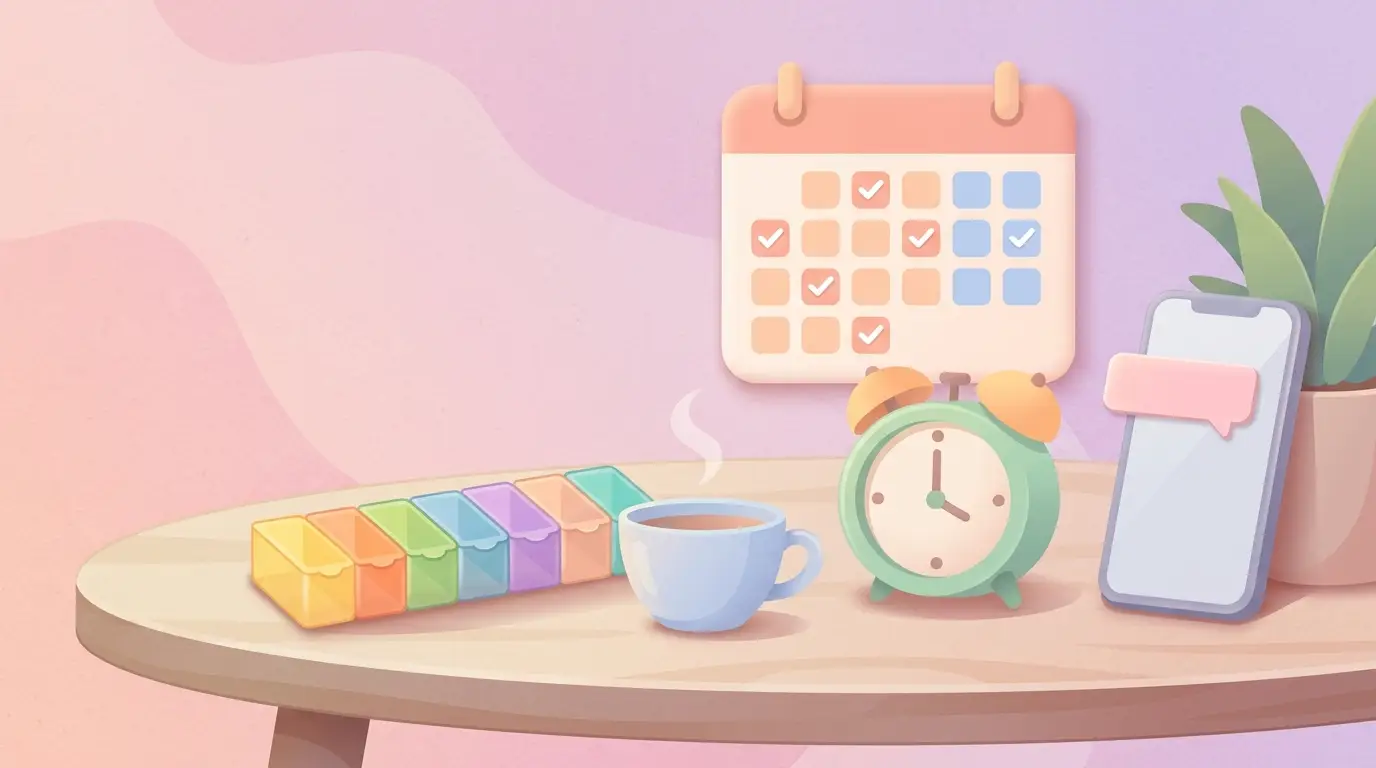
Forgetting to take medication is one of the most common health problems worldwide. According to the World Health Organization (WHO), medication non-adherence affects nearly 50% of patients with chronic conditions. The consequences range from worsening symptoms to emergency hospital visits — and it's completely preventable.
Whether you're managing your own prescriptions or helping a loved one, these 9 proven tips will help you build a medication routine that sticks.
Why We Forget Medication in the First Place
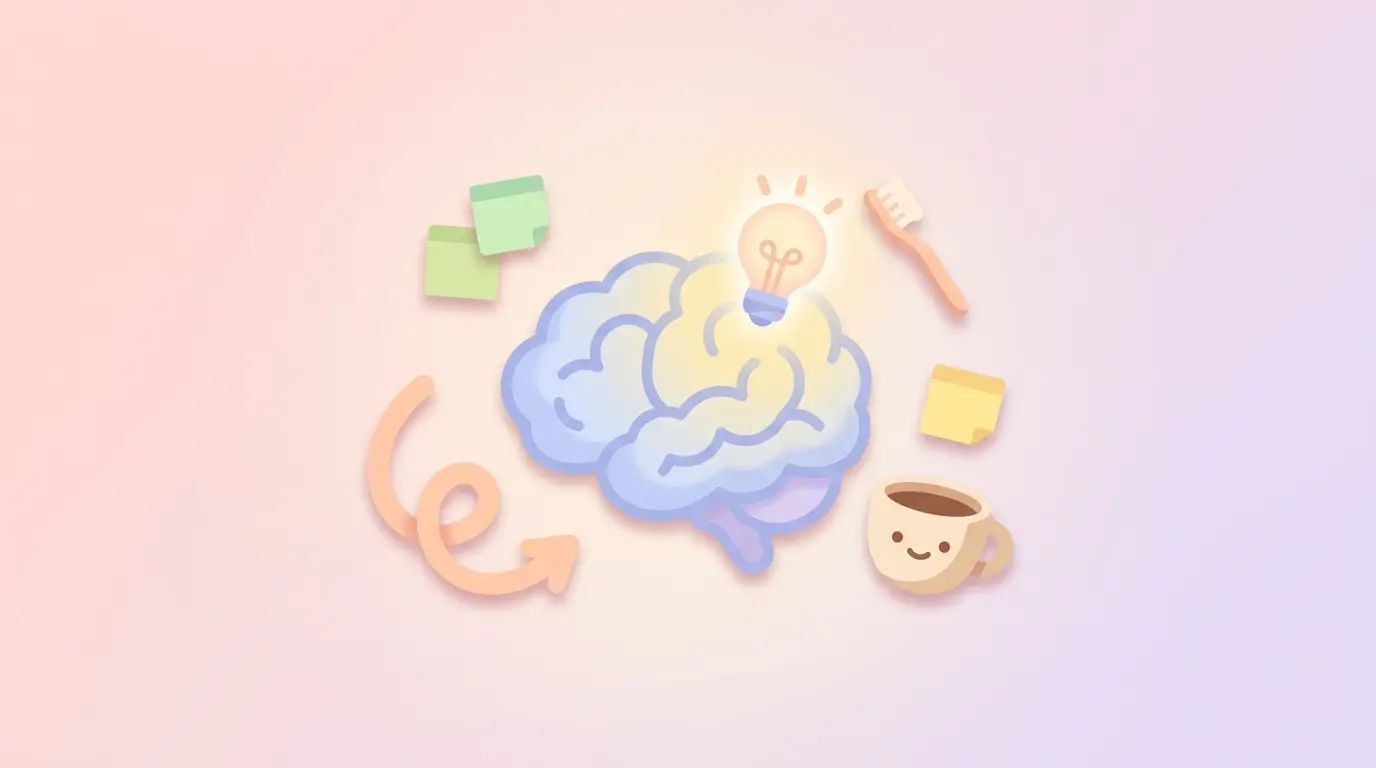
Forgetting isn't a character flaw — it's how memory actually works. Taking a pill is what psychologists call a "prospective memory" task: you have to remember to do something in the future, with no external trigger forcing you to notice. Three things make prospective memory fail specifically for medication:
- No natural cue. Unlike hunger reminding you to eat, nothing in your body reminds you to take a pill — you're relying entirely on remembering to remember.
- Routine disruption. Most people don't forget on ordinary days — they forget when the day breaks pattern: travel, a late meeting, a guest visiting. The habit was tied to the routine, and the routine moved.
- Decision fatigue. By evening, after a full day of small decisions, the mental energy to notice "wait, did I take that?" is often the first thing to go.
Knowing this matters because it points to the actual fix: you don't need more willpower, you need an external cue that doesn't depend on your memory working perfectly every single day.
1. Set a Daily Medication Alarm
The simplest step is often the most effective. Set a recurring alarm on your phone for each dose. But here's the catch: most people start ignoring alarms after a few days. That's why personalized WhatsApp reminders work better — they feel like a message from someone who cares, not a robotic beep.
2. Use a Pill Organizer
A weekly pill organizer lets you see at a glance whether you've taken today's dose. Pair this with a medication reminder service like Pillo Reminder, and you have a failsafe system: the organizer shows what to take, and the WhatsApp message tells you when.
3. Link Medication to an Existing Habit
Behavioral scientists call this "habit stacking." Attach your medication to something you already do every day — like brushing your teeth, eating breakfast, or drinking your morning coffee. Over time, the habit becomes automatic.
4. Keep Medications Visible
Out of sight, out of mind. Place your medications somewhere you'll see them at the right time — next to your toothbrush for morning doses, or on the dining table for mealtime medications. Just make sure they're stored safely away from children.
5. Ask a Family Member to Help
Having someone check in on you makes a huge difference, especially for elderly patients. Services like Pillo Reminder allow family members to set up automated WhatsApp reminders for their parents or grandparents — no app download required on the patient's end.
6. Simplify Your Prescription Schedule
Talk to your doctor about consolidating doses. Taking medication once or twice a day is far easier to remember than four times. Studies show that simpler regimens improve adherence by up to 25%.
7. Use a WhatsApp Medication Reminder
This is the game-changer. Unlike reminder apps (which have a 90% abandonment rate), WhatsApp messages land directly in the app you already check dozens of times a day. Pillo Reminder sends friendly, personalized messages at your exact meal times — no downloads, no setup hassle. See how it stacks up against every other reminder method if you want the full comparison.
8. Plan for Days That Break Routine
Since routine disruption is one of the biggest causes of forgetting, plan for it specifically instead of hoping it won't happen. Keep a small backup supply of each medication in your bag, car, or overnight case so travel doesn't mean going without. If you know a disruptive day is coming — an early flight, a full day of guests — set a specific reminder for that day rather than relying on the usual routine to carry you through.
9. Track Your Streak
Seeing a visible record of consistent days — a checked box, a streak count, a filled-in pill organizer — creates its own motivation to keep it going, the same psychology behind habit-tracking apps for exercise or reading. It also does something more practical: a broken streak is an early, visible signal that something has changed (illness, travel, low mood) worth paying attention to, often before it becomes a bigger problem.
Frequently Asked Questions
What is the best way to remember to take medication?
The best approach combines multiple strategies: a visible pill organizer, habit stacking (linking medication to meals), and an automated reminder system like WhatsApp messages. Research shows that external reminders are the single most effective tool for improving medication adherence.
Why do I keep forgetting to take my pills?
It's extremely common and usually not about laziness. Busy schedules, complex regimens, lack of symptoms (so you feel "fine"), and simple forgetfulness are the top reasons. Setting up an automated reminder removes the mental burden entirely.
Do medication reminder apps actually work?
Studies show mixed results. Most medication reminder apps are abandoned within the first week because users disable notifications or forget to open the app. WhatsApp-based reminders perform significantly better because people already have WhatsApp notifications enabled and check it naturally throughout the day.
How can I help my elderly parent remember their medication?
The simplest solution is to set up an automated WhatsApp reminder on their behalf. Services like Pillo Reminder let you register your parent's WhatsApp number, set their meal times, and Pillo (the friendly mascot) sends them personalized reminders — no app installation or tech knowledge needed on their end.
What happens if you miss a dose of medication?
It depends on the medication. For some drugs, missing a single dose can cause withdrawal symptoms or reduced effectiveness. For others, you can take it as soon as you remember. Always follow your doctor's instructions, and use a consistent reminder system to prevent missed doses in the first place.
Why do I forget medication even when I don't forget other things?
Taking a pill is a "prospective memory" task — remembering to do something in the future with no natural trigger, unlike hunger reminding you to eat. It's also uniquely vulnerable to routine disruption: most missed doses happen on days that break pattern (travel, a late meeting, a guest), not on ordinary days. This is a normal memory limitation, not a sign of carelessness.
What should I do if I keep forgetting despite using reminders?
Check whether the reminder is actually reaching you at a moment you can act on it — a notification during a meeting or while driving gets dismissed, not acted on. Try tying it to a meal or existing habit instead of a fixed clock time, since routine-anchored reminders survive schedule changes better. If missed doses continue despite a well-timed system, mention it to your doctor — it may be worth simplifying the regimen itself.
Stop Forgetting. Start Pillo.
Set up free WhatsApp medication reminders in under 2 minutes.
Get Started Free →