Can You Stop Blood Pressure Medication Once Your Readings Are Normal?
Your readings are normal, so the problem is fixed — right? This is the single most common and most costly misunderstanding in chronic care. Here's what actually happens when you stop, and the safe way to have the conversation.
The logic feels airtight. You were prescribed a tablet because your blood pressure was high. You've been taking it for months. Your readings are now consistently normal. The problem appears to be solved, the tablet appears to have done its job, and continuing to take something for a condition you no longer have seems unnecessary — possibly even harmful.
It is one of the most understandable conclusions a patient can reach. It is also, for the large majority of people, the wrong one, and it is a leading reason people end up back in a doctor's office with worse numbers than they started with.
The misunderstanding sits in a single word.
Controlled Is Not Cured
Blood pressure medication does not repair the underlying reason your blood pressure was high. It manages it. Every day you take the tablet, it exerts its effect; when the drug clears your system, that effect goes with it.
So a normal reading while on medication is not evidence that the condition has resolved. It is evidence that the treatment is working. Those are almost opposite conclusions, and mistaking one for the other is what makes this decision feel so obviously correct at the moment people make it.
A useful comparison: nobody looks at a comfortable room during summer and concludes the air conditioning can now be switched off permanently because the temperature is fine. The temperature is fine because the air conditioning is running.
What Actually Happens When You Stop
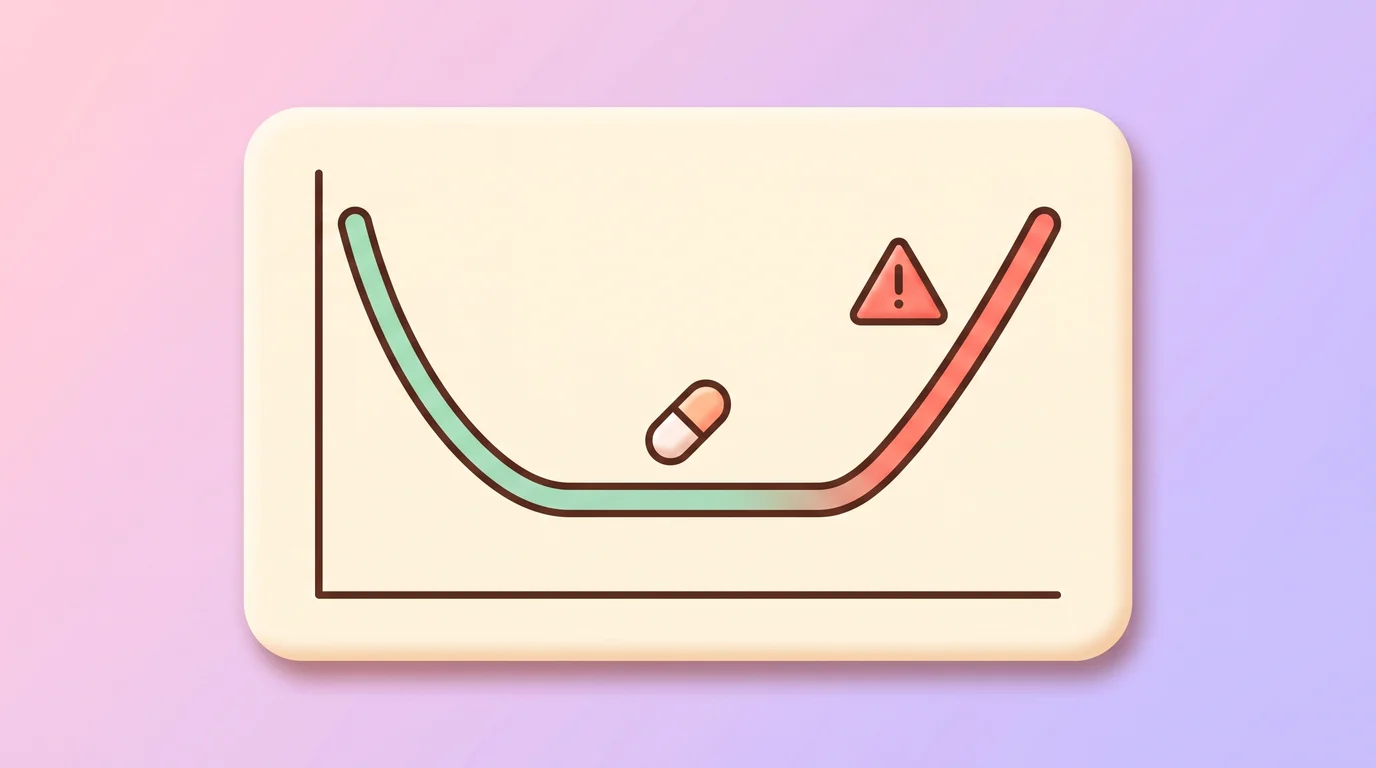
Stopping usually doesn't feel like anything, and that is precisely the danger. High blood pressure is famously symptomless — it earned the name "the silent killer" because most people feel entirely normal at levels that are steadily damaging their arteries, heart, kidneys and eyes.
The typical sequence looks like this:
- Days one to seven. Nothing noticeable. The drug clears, and readings begin drifting up. You feel exactly as well as you did on the medication, which strongly reinforces the decision.
- Weeks two to six. Blood pressure returns toward its untreated level, often back to roughly where it was before treatment. Still no symptoms in most people.
- Months onward. Sustained high pressure resumes its damage. This period is silent, cumulative and largely irreversible, and it is the whole reason the medication was prescribed.
With some medications, particularly beta-blockers, abruptly stopping carries an additional short-term risk: a rebound effect where blood pressure and heart rate spike above their previous baseline. This is one of several reasons that if stopping is appropriate, it is done by tapering under supervision rather than simply not taking tomorrow's tablet.
When Stopping Genuinely Is on the Table
This is not a "never" article. Doctors do reduce and sometimes discontinue blood pressure medication, and it is a legitimate clinical goal for some patients. What matters is that it is a decision made with your doctor, based on evidence, and monitored afterwards.
Realistic circumstances where a doctor may consider it:
- Substantial, sustained lifestyle change. Meaningful weight loss, a significant reduction in dietary salt, regular exercise, stopping smoking or reducing alcohol can genuinely lower blood pressure enough to reduce or occasionally remove the need for medication.
- The original cause was temporary or treatable. Blood pressure raised by a specific medication, by pregnancy, or by a treatable secondary condition may not need lifelong treatment once that cause is resolved.
- Readings persistently low on treatment. If you're regularly reading below target and experiencing dizziness or lightheadedness, the dose may genuinely be too high — but the answer is a dose adjustment, not stopping.
- Side effects that outweigh benefit. There are many blood pressure medications across several classes. If one is intolerable, switching is nearly always available; stopping altogether is rarely the only option.
Even in these situations, the process is a supervised reduction with regular monitoring — not an unannounced stop.
How to Have the Conversation
If you want to come off your medication, that is a completely reasonable thing to raise, and doctors would far rather discuss it than discover months later that you stopped on your own. Two things make that conversation productive:
Bring home readings, not impressions. "I feel fine" isn't clinical evidence. A log of readings taken at home over several weeks, at consistent times, is. It's also the single most useful thing you can bring to any blood pressure appointment.
Ask direct questions. Useful ones include: Is my blood pressure controlled because of the medication, or has the underlying cause changed? Given my readings, is a lower dose reasonable? If I sustain these lifestyle changes for six months, would you reconsider? If we do reduce it, how will we monitor it?
The Adherence Problem Underneath
There's a second, quieter version of this. Many people don't consciously decide to stop — they just gradually drift. A dose missed here, a travel week skipped there, a refill delayed. Nobody ever makes a decision, and yet the medication stops being taken reliably.
Long-term adherence to blood pressure medication is poor almost everywhere it's been measured, and the reason is structural rather than attitudinal: it is a symptomless condition treated by a daily tablet that produces no felt benefit. There is no feedback loop. Nothing about your day tells you whether you took it.
That's the gap TextMyPill is built to close. Reminders arrive on WhatsApp at the right time each day, you reply "Done" to log the dose, and an adherence record builds up over weeks — the kind of record that's genuinely useful to bring to your next appointment. If a dose goes unanswered, Pillo follows up, and can alert a family member for someone managing a parent's medication remotely.
Frequently Asked Questions
Can I stop taking blood pressure medication if my readings are normal?
Not on your own. Normal readings while on medication usually mean the treatment is working, not that the condition has resolved. For most people blood pressure returns to its previous level within weeks of stopping. If you want to reduce or stop, discuss it with your doctor so it can be tapered and monitored safely.
How long after stopping does blood pressure go back up?
Usually within days to weeks, depending on the medication's half-life. Most people return to close to their untreated level within two to six weeks — and typically without noticing anything, because high blood pressure rarely causes symptoms.
Is it dangerous to stop blood pressure medication suddenly?
It can be. With some medications, particularly beta-blockers, abrupt cessation can cause a rebound spike in blood pressure and heart rate above the previous baseline. This is why any planned reduction should be tapered under medical supervision rather than stopped outright.
Can lifestyle changes replace blood pressure medication?
Sometimes, partially or fully — sustained weight loss, reduced salt, regular exercise and reduced alcohol can meaningfully lower blood pressure. Whether that's enough to reduce or stop medication depends on your starting point and other risk factors, and needs to be assessed with monitoring rather than assumed.
Do I have to take blood pressure medication for life?
Often, but not always. Many people do take it long term because the underlying tendency doesn't go away. Others reduce or stop after substantial lifestyle change, or when a temporary cause resolves. It's a question worth asking your doctor directly rather than deciding alone.
What should I do if I've already stopped taking it?
Contact your doctor and tell them honestly when you stopped and why. Don't simply restart at the old dose without asking, particularly if it's been a while. Book a blood pressure check — the readings will tell you and your doctor far more than guessing will.
TextMyPill is an organizational reminder tool, not a medical professional or medical device. Never start, stop, reduce or change the dose of blood pressure medication based on this article. High blood pressure is a serious condition and decisions about treatment must be made with the doctor who prescribed it.
Stop Forgetting. Start Pillo.
Set up free WhatsApp medication reminders in under 2 minutes.
Get Started Free →